

AI GTM platforms are software tools that use artificial intelligence to automate and optimize your go-to-market strategy, from identifying ideal customers to personalizing outreach and tracking campaign performance across sales and marketing channels. Reviews of these platforms in 2026 reveal a landscape that’s moved far beyond simple email automation, now offering predictive analytics and autonomous decision-making that would have required entire marketing teams just a few years ago.
If you’re a small business owner or craft producer wondering whether these platforms fit into your world, you’re not alone. The technology sounds corporate, but the use cases have become surprisingly relevant for boutique operations. Maybe you’re a local ceramics studio looking to identify collectors who actually appreciate handmade work, or a regional food producer trying to understand which farmers markets yield the best customer relationships. These platforms can now handle tasks that once felt impossible without a dedicated marketing department.
This article walks through exactly what AI GTM platforms do in practice. We’ll break down the core functions in plain language, explore the different types available, and show you real-world scenarios where businesses like yours have put them to work. You’ll see which use cases translate well to smaller operations and which features matter most when you’re focused on building genuine community connections rather than chasing endless scale.
What AI GTM Platforms Really Mean
Think of AI GTM platforms as your business’s intelligent guide to finding the right people for what you make. GTM stands for Go-To-Market, which is simply the path a product travels from your workshop or studio to the hands of customers who’ll love it. When you add AI (artificial intelligence) to that journey, you get tools that help you understand who those ideal customers actually are, where they spend their time, and what words will make them stop scrolling and pay attention.
For a potter in Vermont or a small-batch hot sauce maker in New Mexico, these platforms do the detective work you’d struggle to do manually. They sift through mountains of information about buying patterns, social media conversations, and search behaviors to spot the people most likely to want handcrafted ceramics or artisan condiments. Instead of shouting into the void hoping someone hears you, you’re having focused conversations with folks who already appreciate what makes regional, handmade goods special.
- GTM (Go-To-Market)
- The strategy and steps a business takes to introduce products to customers and drive sales. For artisans, this means everything from pricing and packaging to where and how you promote your work.
- AI-powered targeting
- Using artificial intelligence to identify which specific groups of people are most likely to buy your products based on their behaviors and interests. It’s like having a matchmaker for your business and your future customers.
- Customer segmentation
- Dividing your potential audience into distinct groups with shared characteristics, like gift-buyers versus collectors, or local supporters versus out-of-state enthusiasts. This helps you tailor your message to each group’s specific interests.
- Market intelligence
- Information about what’s happening in your industry, what competitors are doing, and what customers want right now. AI platforms gather and make sense of this data so you can make smarter business decisions.
The beauty of modern AI GTM platforms is they’ve become accessible enough that you don’t need a marketing degree or a tech team to use them. They translate complex data into straightforward suggestions, helping you figure out whether to focus on Instagram or farmers markets, what story to tell about your process, or which neighboring states might have untapped demand for what you create.
How AI GTM Platforms Work Behind the Scenes

Think of an AI GTM platform as a behind-the-scenes assistant that watches, learns, and suggests, constantly refining how you connect with potential customers. It starts by gathering information: website visits, email opens, social media interactions, purchase histories, even which products people linger on before clicking away. For a local pottery studio, that might mean noticing which glaze colors get the most saves on Instagram or which product pages visitors from design blogs spend the most time exploring.
Once the data flows in, the platform looks for patterns. It’s not just counting clicks, it’s recognizing that people who buy handmade mugs in earthy tones also tend to browse minimalist home décor sites, or that customers who purchase gift sets in November often return for personal orders in spring. A regional honey producer might discover their lavender-infused variety attracts yoga studio owners and wellness retreat planners, not just home cooks. The AI spots these connections faster and more reliably than manual spreadsheet reviews ever could.
From those patterns, the platform builds profiles and makes recommendations. It might suggest that your handwoven blankets would resonate with eco-conscious parents in Pacific Northwest cities, or that your small-batch hot sauce should target foodie communities in college towns. These aren’t wild guesses, they’re grounded in how similar products have performed and which audience segments show genuine interest signals. The system essentially says, “Based on what we’re seeing, here’s who’s most likely to love what you make.”
The platform then handles several core functions simultaneously:
- Analyzing customer data to understand preferences and behaviors
- Predicting buying patterns based on past interactions and seasonal trends
- Suggesting optimal channels, whether that’s Instagram ads, email newsletters, or craft fair directories
- Personalizing outreach so messages feel relevant rather than generic
- Measuring campaign effectiveness to show what’s working and what needs adjustment
Throughout this process, the platform automates the tedious parts, scheduling posts, segmenting email lists, adjusting bid strategies, while flagging insights that need your human judgment. It might alert you that a new demographic is suddenly engaging with your work, or that a particular product story resonates far better than others. You stay in creative control; the AI just handles the pattern-spotting and repetitive tasks that would otherwise consume hours you’d rather spend making things.
Different Flavors of AI GTM Platforms
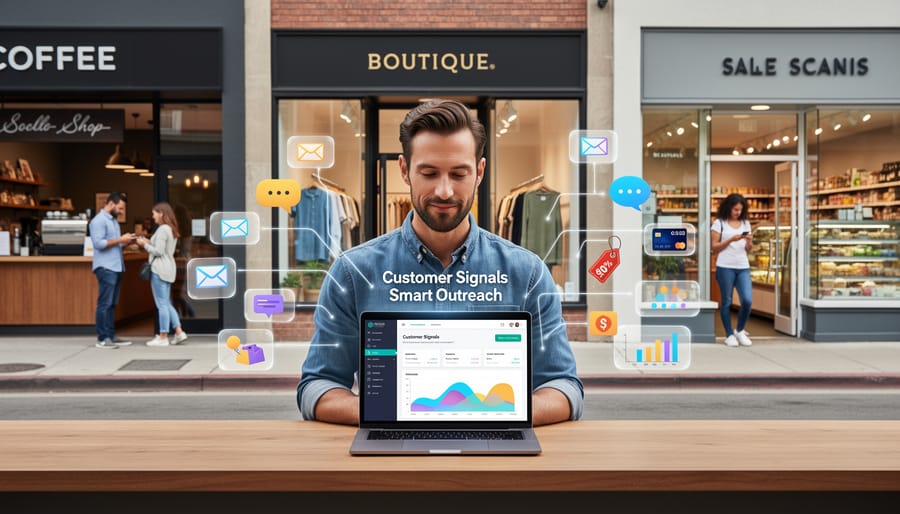
Customer Intelligence Tools
These platforms act like digital detectives, gathering clues about your potential customers from dozens of sources, social media behavior, purchase patterns, demographic data, even subtle signals like which product pages people linger on. For a Vermont cheese maker, that might mean discovering your customers aren’t just foodies, but young parents seeking wholesome options for their families. Or a Seattle woodworker learning that the people buying cutting boards are also interested in sustainable kitchen tools and zero-waste living.
The real magic happens when these tools spot patterns you’d never notice manually. They’ll tell you that customers who buy your lavender sachets in spring often return for holiday gift sets in November, or that your pottery appeals strongly to interior designers in specific zip codes. Instead of guessing who wants what you make, you’re working with actual insights, letting you speak directly to the people already primed to love your craft.
Sales and Marketing Automation
These are the platforms that take the repetitive parts of reaching customers off your plate. If you’ve ever sent the same introductory email to twenty potential stockists, manually scheduled social posts for a week, or forgotten to follow up with someone who showed genuine interest in your products, you already know where automation could help.
AI-powered marketing automation tools can draft email sequences that adjust based on how recipients respond. They’ll send a friendly follow-up if someone opens but doesn’t reply, or pause the sequence if they click through to your website. Sales automation features can track when a buyer views your catalog and send a timely reminder without you lifting a finger.
For campaign management, these tools test different subject lines, posting times, and images to see what resonates with your audience. A craft brewery might discover their taproom event emails perform better on Wednesday afternoons, while product launch announcements get more traction over weekends. The AI notices these patterns and optimizes accordingly, letting you focus on creating great products rather than endlessly tweaking marketing tactics.
All-in-One GTM Suites
All-in-one GTM suites bundle customer intelligence, marketing automation, and sales tools into a single platform, think of them as the Swiss Army knife approach to reaching your market. These comprehensive systems appeal to businesses that have outgrown simpler tools and need everything working together seamlessly.
For a regional brand managing multiple product lines or storefronts, an integrated suite means customer data flows automatically between your email campaigns, sales pipeline, and analytics dashboard. When someone visits your online shop after seeing your Instagram ad, the platform tracks that journey and suggests the next best action, perhaps a personalized follow-up email featuring similar artisan products they browsed.
The trade-off? All-in-one platforms typically cost more and require a bigger time investment to set up properly. They make most sense when you’re juggling enough moving parts that having separate tools becomes messier than learning one robust system. A solo potter might find them overkill, but a cooperative of ten local makers sharing marketing resources could benefit from that unified view of their collective customer base.
Real-World Ways Businesses Use AI GTM Platforms

Connecting Local Makers with Their Perfect Audience
AI GTM platforms excel at matching distinctive products with the people who’ll genuinely value them, a capability that transforms how local makers reach their audience. Instead of shouting into the void of social media or hoping the right customer stumbles across your booth at a farmer’s market, these tools analyze thousands of data points to identify individuals actively seeking what you create.
Consider a woodworker crafting heirloom cutting boards from regional hardwoods. An AI platform might discover that design-conscious home cooks in urban areas within driving distance regularly search for locally-sourced kitchenware, then suggest targeted campaigns reaching those specific buyers. Or take producers of propane smokers and specialty grilling equipment, AI can pinpoint outdoor cooking enthusiasts who prioritize craftsmanship over mass-produced alternatives, connecting makers with customers who understand the value of their work.
These platforms track purchase patterns, browsing behavior, and engagement signals to reveal where your ideal customers spend time online, what messaging resonates with them, and when they’re most receptive to discovering new artisan goods. The result is less wasted effort on generic advertising and more meaningful connections with people who become loyal supporters of your craft rather than one-time buyers.
Expanding Beyond Your Home Region
When your maple syrup, handwoven textiles, or small-batch hot sauce have found their footing at home, AI GTM platforms can map out where else those products might thrive. These tools analyze purchasing patterns, demographic data, and even regional preferences to pinpoint communities that share values with your existing customer base. A Vermont cheese maker, for instance, might discover unexpected demand in Pacific Northwest neighborhoods where farm-to-table culture runs deep, or a Manitoba potter could find collectors in coastal towns drawn to prairie-inspired design.
The platforms work by comparing your current buyers’ characteristics, their other purchases, search behaviors, interests, with similar clusters nationwide. If your customers also buy solar-powered essentials or support regenerative agriculture initiatives, the AI flags regions where those values concentrate. You’re not guessing which craft fair to attend three states over; you’re following data that shows where your story will resonate.
This geographical intelligence helps you allocate limited marketing budgets wisely. Instead of blanket social ads across the country, you focus outreach on Austin’s maker community or Halifax’s artisan scene, places where the platform’s pattern recognition suggests genuine interest. The expansion feels organic because you’re reaching people who already value what makes your products special.
Making Marketing Messages Feel Personal
For artisan businesses and local makers, the hardest part of marketing isn’t finding words, it’s finding the right words that connect with someone who’ll genuinely value what you create. AI GTM platforms excel at this personalization without turning your outreach into robotic templates.
These tools analyze how different customer segments respond to your messaging, then suggest language and angles that resonate. A woodworker selling unique lounge chairs might discover that design-focused customers respond to stories about sourcing local walnut, while comfort-seekers engage more with ergonomic details and craftsmanship timelines. The platform learns these patterns and helps you adapt messages accordingly, not by writing generic copy, but by highlighting which authentic aspects of your story matter most to each audience.
The beauty is that AI handles the matching work while you maintain your voice. You’re not sending identical blasts to everyone; you’re sharing different facets of your genuine story with people who care about those specific elements. A regional jam maker might emphasize heritage recipes to food traditionalists and sustainable sourcing to eco-conscious buyers, same product, same authenticity, different emphasis. The result feels personal because it is: you’re speaking to what actually matters to each person.
Common Questions About AI GTM Platforms
Can a small business actually afford an AI GTM platform?
Many platforms offer tiered pricing that starts with free or low-cost options designed specifically for solo entrepreneurs and small teams. You’re not locked into enterprise contracts, start with basic features and scale up only when your business grows enough to need them.
Do I need to be tech-savvy to use these tools?
Most modern AI GTM platforms are built with non-technical users in mind, featuring visual interfaces and guided setup processes. If you can manage your social media accounts or send newsletters, you’ll likely navigate these systems just fine, many are simpler than learning how to maintain a retro lawn mower or figuring out what is a weed wacker for the first time.
What happens to my customer data?
Reputable platforms encrypt your data and allow you to control what information gets collected and how it’s used. Look for tools that offer clear privacy policies and don’t require you to share customer details with third parties, your community’s trust matters too much to compromise.
Will this really help my artisan business, or is it just hype?
The practical benefits show up in everyday tasks: finding which craft fairs attract your ideal buyers, identifying when customers typically reorder, or discovering that people in a neighboring state love products similar to yours. These aren’t magic solutions, but they do eliminate a lot of guesswork and free up time you’d otherwise spend on trial-and-error marketing.
The honest truth is that AI GTM platforms work best when you already understand your craft and your customers, they amplify your existing knowledge rather than replace it. A potter who knows their glazing techniques inside and out will get more from these tools than someone hoping the software will tell them what to make. The AI handles the tedious parts like tracking which email subject lines get opened or which social posts drive traffic, letting you focus on the creative and community-building work that drew you to your craft in the first place.
Starting small makes sense for most regional producers. Pick one specific challenge, maybe you want better insights into who’s visiting your online shop but not buying, or you need help timing your seasonal product launches. Use a platform’s free tier to address that single problem, learn how it works, and expand from there. You don’t need to automate your entire business overnight, and frankly, you shouldn’t. The most successful small businesses blend AI efficiency with the personal touches that make them special.
AI GTM platforms might sound like enterprise-level tech, but they’re increasingly becoming genuine partners for businesses rooted in place and craft. Whether you’re firing ceramics in a backyard studio, roasting small-batch coffee, or guiding regional food tours, these tools can help you find the people who’ll genuinely appreciate what you make.
The beautiful thing? You don’t need a marketing degree or a massive budget to start. Many platforms now offer scaled pricing and intuitive interfaces designed for real humans running real businesses. They handle the data-crunching and pattern-spotting so you can focus on what you do best, creating products and experiences that reflect your community’s character.
Think of AI GTM platforms as bridges connecting your authentic work to audiences who are actively searching for exactly what you offer. They help you tell your story to the right ears at the right moment, expanding your reach while keeping your voice intact.
Have you experimented with any of these tools in your own business? We’d love to hear what worked, what didn’t, and what surprised you. Drop your experiences in the comments, this community thrives on shared knowledge and honest conversation about what actually moves the needle for local makers and regional producers.